# Golf Shoe Technology Has Evolved Far Beyond Your Grandfather's Metal Spikes
Golf footwear has transformed dramatically over the past few decades. Modern golf shoes bear little resemblance to the metal-spiked designs that dominated courses generations ago. Today's options reflect advances in materials science, traction engineering, and comfort technology that serve both serious golfers and casual players.
The shift away from metal spikes represents one of the most significant changes in golf equipment. Metal spikes provided excellent traction but damaged greens and created maintenance headaches for golf courses. Course administrators grew frustrated with the wear patterns and pushed for alternatives. Manufacturers responded by developing soft spike technology, rubber compounds, and hybrid sole designs that grip turf effectively without tearing it up.
Modern golf shoes now incorporate several performance features. Waterproof membranes keep feet dry in wet conditions. Cushioning systems absorb impact during repetitive walking and swinging motions. Breathable mesh panels prevent overheating on warm days. Sole designs range from aggressive lugs for maximum grip on wet grass to smoother profiles for cart usage. Some brands now include removable cleats, allowing golfers to switch configurations based on course conditions and personal preference.
The materials used in contemporary golf shoes reflect broader footwear innovations. Lightweight synthetics replace heavier leather in many designs. Knit uppers provide structure while reducing weight. Foam midsoles deliver responsive cushioning. Advanced rubber compounds offer grip without the environmental impact of metal spikes.
Fit and comfort have become central to shoe design. Brands now recognize that golfers spend four to five hours walking 5 to 7 miles per round. Poor-fitting shoes lead to blisters, foot pain, and reduced performance. Many manufacturers offer multiple width options and anatomically informed designs that accommodate different foot shapes.
The testing process for golf shoes involves multiple scenarios. Evaluators walk courses in various weather conditions. They test traction on wet grass, dry fairways, and sloped terrain. They assess how shoes perform during swings, when lateral forces stress the sole. Comfort testing happens over extended wear periods, not just initial fittings.
Golfers shopping for shoes today have real choices. Budget options provide adequate performance for recreational play. Mid-range shoes balance quality materials with reasonable pricing. Premium options incorporate latest technology and often feature collaborations with professional golfers. Tour professionals frequently wear custom or prototype shoes unavailable to the general public.
Sustainability concerns have started influencing shoe design. Some brands now produce shoes using recycled materials. Others focus on durability, recognizing that longer-lasting shoes reduce overall environmental impact. Manufacturing processes have become cleaner, with reduced chemical runoff and waste.
Weather protection matters more in golf than many sports. Players spend hours outdoors regardless of conditions. Waterproofing technologies have improved substantially, keeping feet dry without sacrificing breathability. Insulation options help in cool climates. Ventilation features prevent moisture accumulation in warm weather.
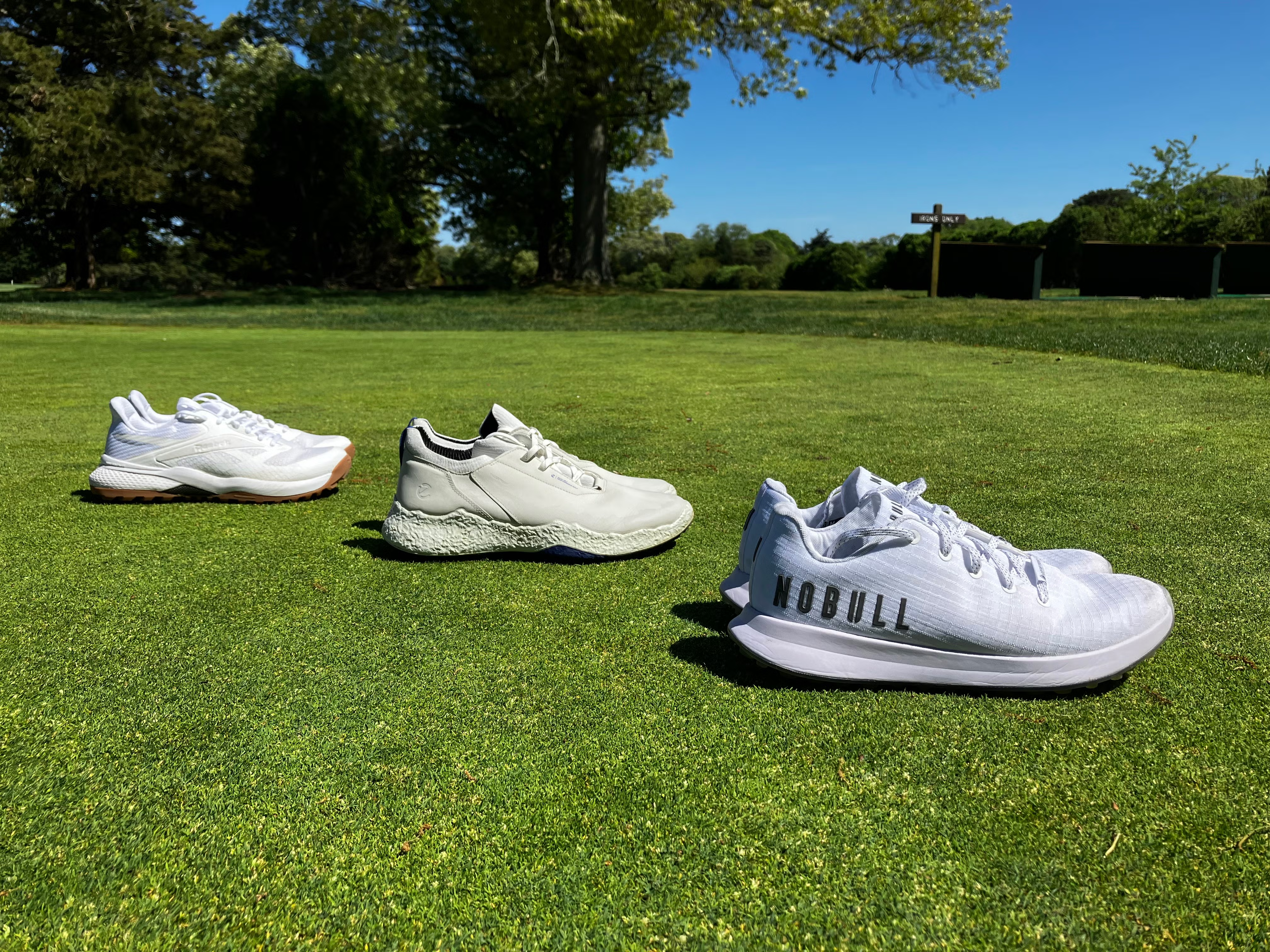
The testing approach used by product reviewers like Men's Health involves systematic evaluation across real-world conditions. Reviewers don't simply wear shoes once. They test multiple pairs simultaneously, comparing performance on identical courses and under matching weather. This methodology reveals differences that casual observation misses.
For golfers considering new footwear, understanding what testing revealed matters. Reviewers identify which shoes excel in specific situations. Some perform best in wet conditions. Others shine on firm, dry grass. Some prioritize all-around versatility. Reading detailed testing results helps golfers match shoes to their typical playing conditions and preferences.