# V.A. Institutes New Consent Requirements for Some Psychiatric Drugs
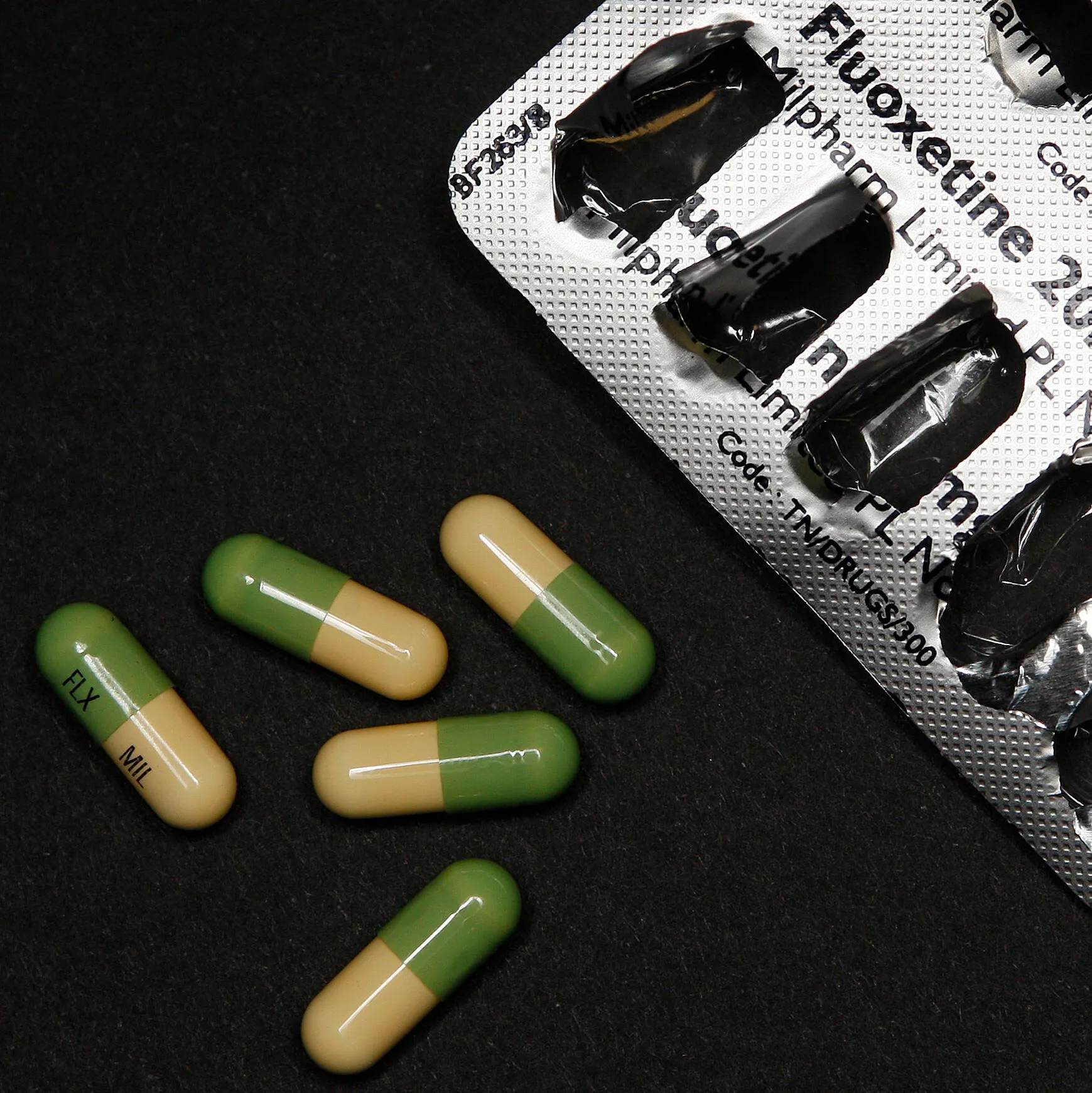
The Department of Veterans Affairs has introduced explicit written consent requirements for veterans under 30 receiving antidepressant medications, marking a significant shift in how the agency manages psychiatric drug prescriptions. The new policy requires younger veterans to sign detailed consent forms before starting antidepressants, a step the V.A. says aims to ensure informed decision-making about medication risks.
The V.A.'s rationale centers on documented concerns about antidepressants in younger populations. Clinical research has shown that selective serotonin reuptake inhibitors (SSRIs) and related antidepressants carry a black box warning from the Food and Drug Administration regarding increased suicidal thoughts in adolescents and young adults. The agency believes explicit consent documentation helps veterans understand these risks before beginning treatment.
However, medical organizations have raised concerns that the new requirement may inadvertently discourage young veterans from seeking mental health treatment. The American Psychiatric Association and other mental health groups worry that additional bureaucratic steps could create barriers at a critical moment when veterans need access to care. Young veterans already face elevated rates of depression, anxiety, and post-traumatic stress disorder compared to civilian peers.
Dr. Ritz, a psychiatrist familiar with V.A. procedures, notes that while informed consent represents standard practice in medicine, the age-specific requirement creates an unusual distinction. Most psychiatric practices obtain verbal informed consent documented in patient charts. Making younger patients sign additional forms may inadvertently signal that antidepressants carry greater risks for this age group specifically, potentially reinforcing stigma around mental health treatment.
The timing of this policy matters. Veterans under 30 represent a growing portion of the V.A.'s patient population. Iraq and Afghanistan veterans, many now in their thirties and forties, sought mental health care through the V.A. at higher rates than previous generations. Creating additional friction in the consent process risks pushing some away from evidence-based treatment.
Research on antidepressant efficacy in younger adults presents a nuanced picture. While SSRIs do carry the black box warning for suicidal ideation, they remain the first-line treatment for depression and anxiety in young adults when carefully monitored. Studies show benefits generally outweigh risks when prescribers assess patients regularly and watch for warning signs during early treatment phases.
The V.A. has not explicitly extended this requirement to other psychiatric medications that carry similar black box warnings, though the policy could theoretically expand. Veterans Affairs medical centers across the country will implement the new consent forms in coming weeks, with staff training underway.
Patient advocates hope the V.A. will balance informed consent with accessibility. Mental health treatment works best when it removes rather than adds barriers to care. For young veterans struggling with depression or trauma responses, signing one more form should not become the difference between getting help and suffering in silence.