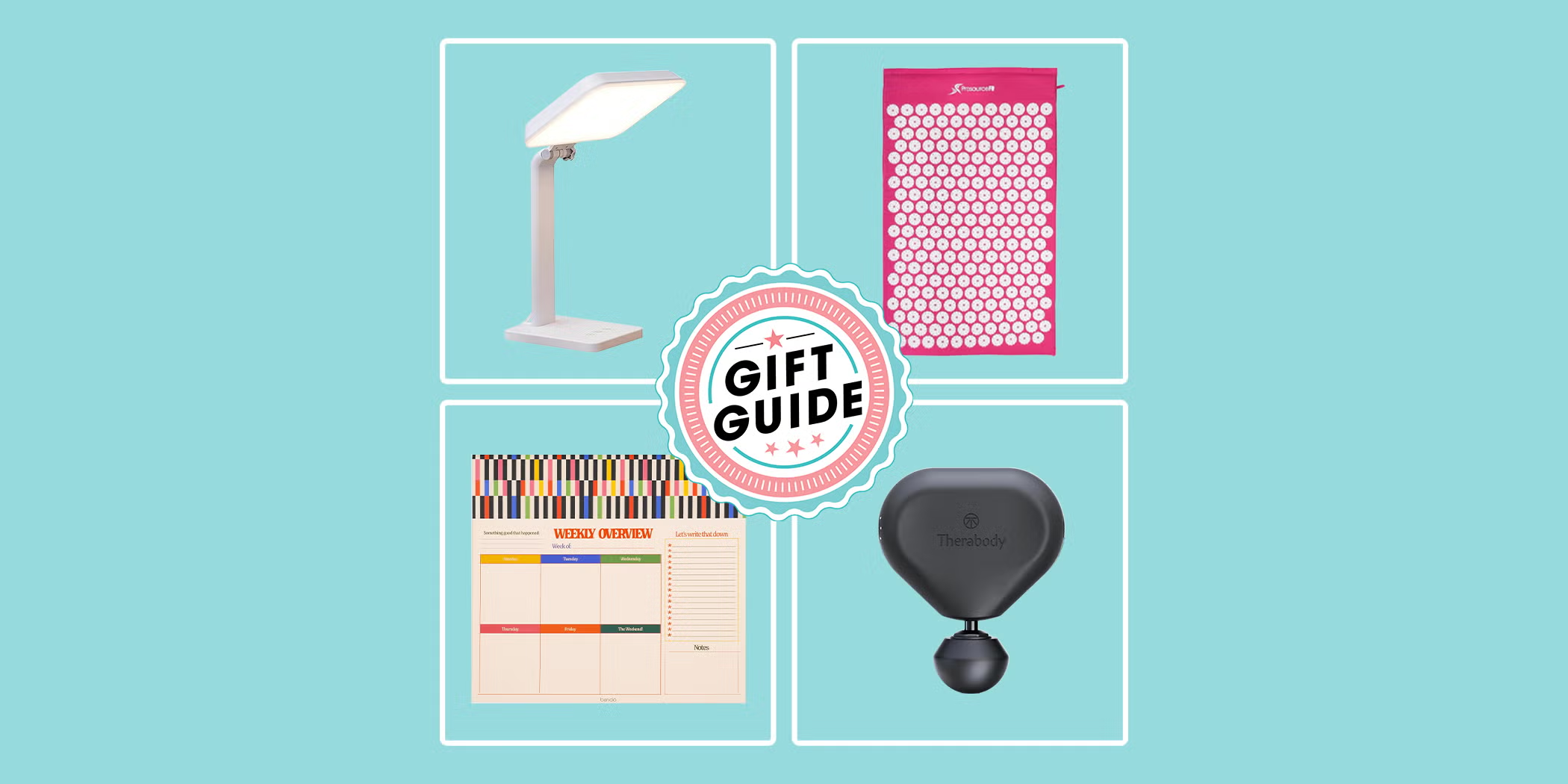
# 45 Best Wellness Gifts for Everyone on Your List
Gift-giving becomes easier when you understand what wellness actually means to the person receiving your present. Wellness extends far beyond a single category. It touches sleep quality, stress management, physical movement, nutrition, mental clarity, and daily rituals that build resilience.
Prevention magazine curated 45 gift options designed for people who prioritize self-care. The breadth of choices reflects how wellness has evolved from a niche interest into a mainstream value system. People now invest in tools and products that support their health holistically, not just in moments of crisis.
The gift categories likely span several domains. Sleep products rank high on wellness wish lists. Quality pillows, weighted blankets, and white noise machines address one of the most neglected health foundations. Sleep researcher William Dement at Stanford University documented decades ago that sleep deprivation affects immune function, metabolism, and emotional regulation. Good sleep gifts target a legitimate health need.
Stress-reduction tools matter equally. Meditation cushions, diffusers for essential oils, journaling notebooks, and bath products appeal to people managing daily pressure. These items acknowledge that wellness requires intentional downtime and nervous system regulation.
Movement-focused gifts reach fitness enthusiasts and casual exercisers alike. Yoga mats, resistance bands, foam rollers, and workout accessories support people building sustainable activity habits. Even low-impact options like stretch straps or balance boards serve those managing injuries or aging bodies.
Nutrition-adjacent gifts resonate with health-conscious individuals. High-quality water bottles encourage hydration. Blenders support smoothie routines. Infusers and tea sets appeal to people exploring herbal wellness. Supplement organizers help people stick to their regimens without judgment.
Mental wellness gifts acknowledge that self-care involves the mind. Books on stress management, gratitude journals, or digital detox timers support psychological health. Some people benefit from games designed to build focus or mood-tracking apps that increase self-awareness.
Personalization matters when selecting from 45 options. Someone who loves mornings might appreciate a quality coffee maker or sunrise alarm clock. A person recovering from injury needs tools supporting rehabilitation. A parent managing stress benefits from something they'll actually use during their compressed schedule, not an aspirational gift collecting dust.
The Prevention list likely includes brands and price points across the spectrum. Budget-friendly options prove wellness isn't exclusive to the wealthy. Premium items serve people ready to invest significantly in their health infrastructure.
Gift-giving for wellness works best when it addresses real behaviors and genuine needs. A meditation app subscription matters most to someone with a meditation practice. A foam roller serves the person who stretches regularly. Observe what your recipient already prioritizes, then amplify those practices with quality tools.
The wellness gift industry reflects a broader cultural shift. People now view self-care and health investment as responsible rather than indulgent. They gift these items to loved ones as statements about what they value. A wellness gift says, "I see you taking care of yourself, and I support that commitment."