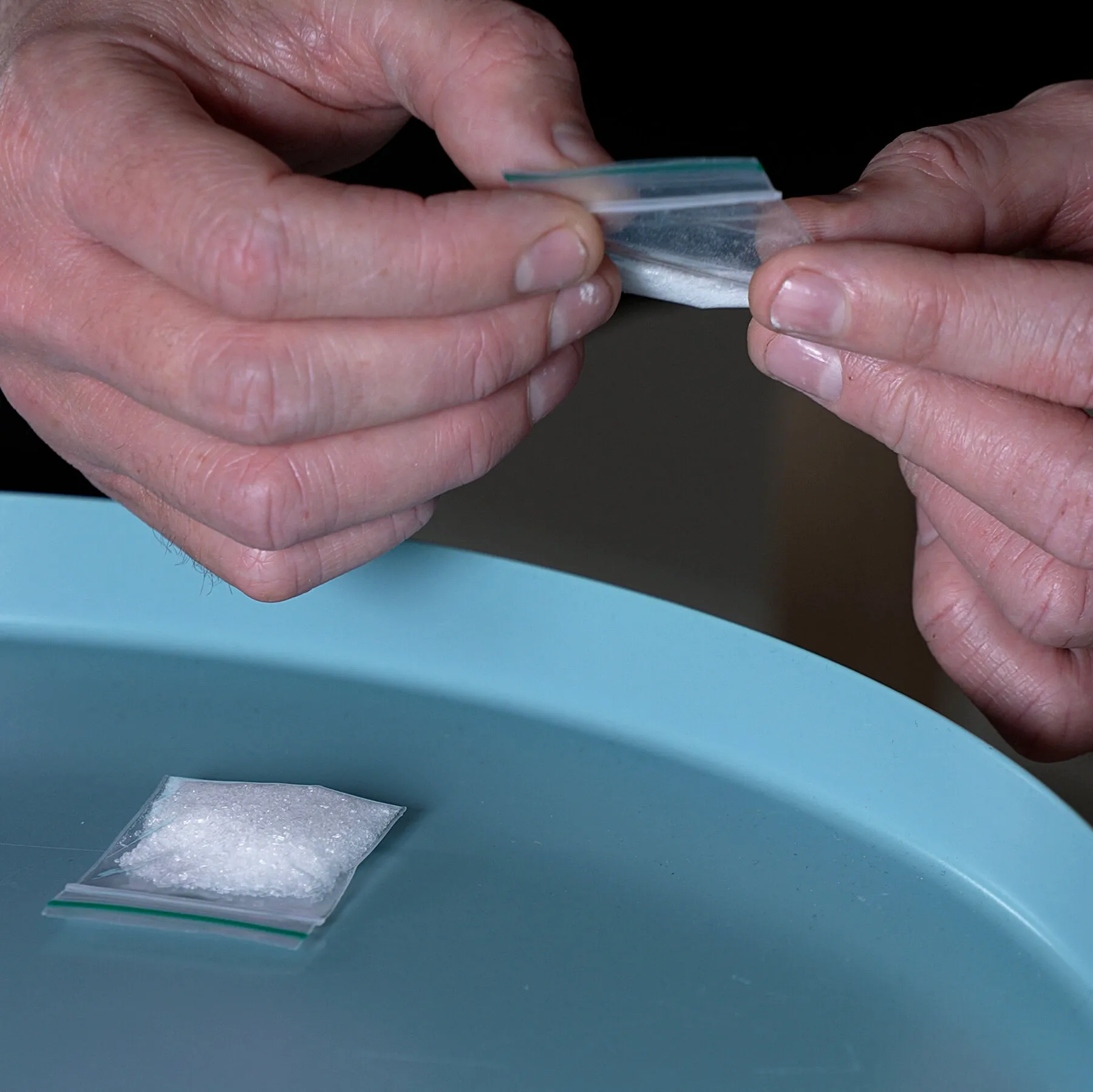
Ketamine functions as a short-acting anesthetic commonly used in medical settings, particularly for surgical procedures and emergency pain management. The drug produces rapid sedation and works by blocking pain signals in the nervous system. Beyond its approved medical uses, ketamine can trigger hallucinogenic effects, causing users to experience altered perceptions, dissociation, and visual or sensory distortions.
The drug's accessibility has increased in recent years, raising concerns among experts about potential misuse. Ketamine can be administered through injection, inhalation, or oral consumption, with effects typically onset within minutes when injected or inhaled. The short duration of action means effects generally wear off relatively quickly, though residual effects may persist.
When misused recreationally or without medical supervision, ketamine carries significant risks. Users may experience confusion, loss of coordination, memory impairment, and intense psychological effects. The dissociative properties can create dangerous situations where individuals lose awareness of their surroundings or ability to respond to threats. Repeated use raises concerns about potential dependency and cognitive effects.
Medical professionals monitor ketamine use carefully in clinical environments, controlling dosage and patient condition. However, illicit access to the drug has become easier, contributing to growing concerns about abuse. Some research has explored ketamine's potential therapeutic applications for treatment-resistant depression and other mental health conditions, but these remain experimental uses requiring careful medical oversight.
The gap between ketamine's legitimate medical applications and its potential for misuse underscores the importance of understanding how the drug functions. As availability increases, education about both its effects and risks becomes increasingly important for public health awareness.