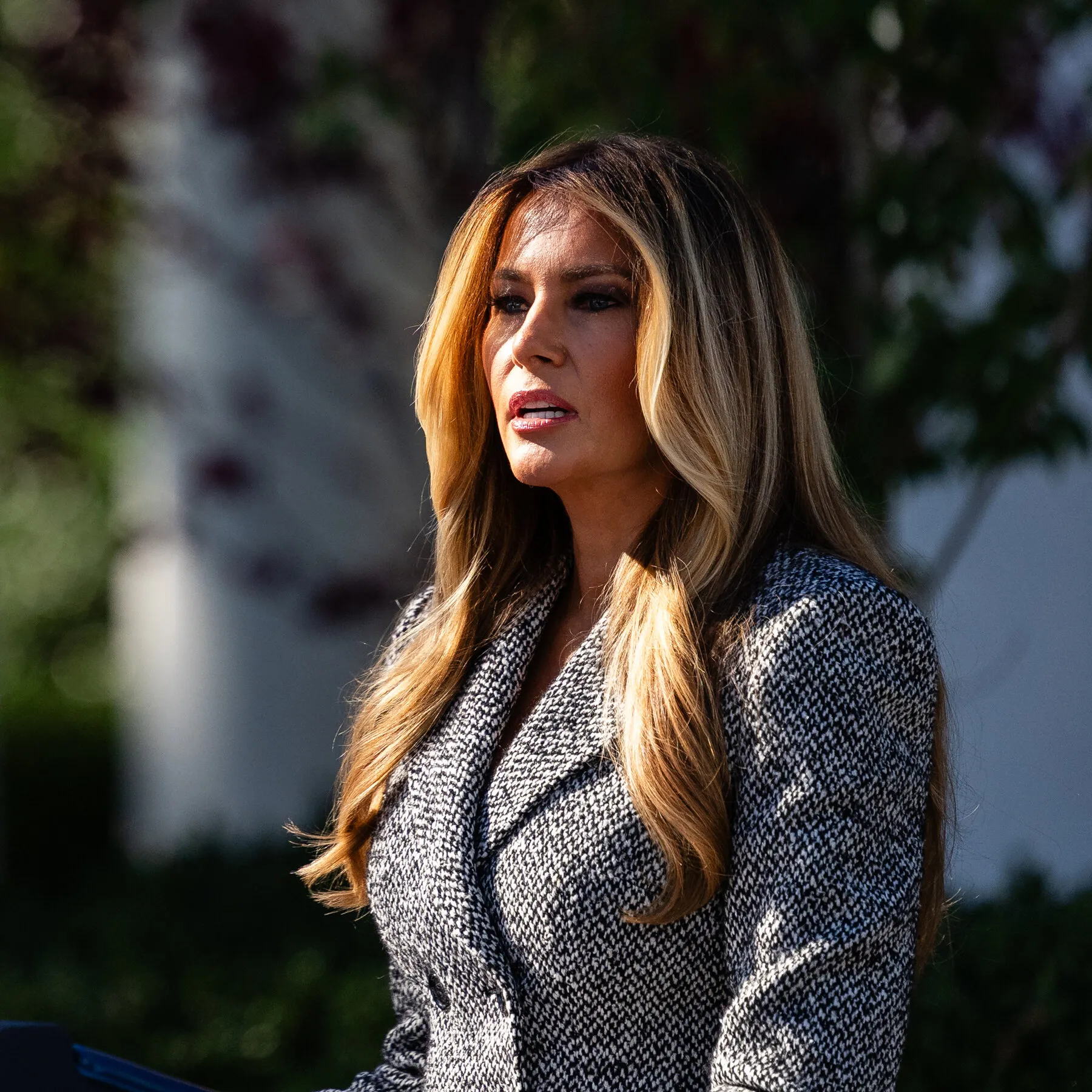
# Melania Trump Launches White House Women's Health Initiative Ahead of Midterms
Melania Trump announced a new White House Women's Health Initiative two weeks before the midterm elections, as Republicans work to strengthen their appeal among female voters. The timing reflects broader political efforts to address women's health concerns during a particularly competitive election cycle.
The initiative's specific components remain under development, but the announcement signals attention to health issues that resonate with women voters. Healthcare access, reproductive health, maternal mortality, and preventive care consistently rank among top concerns for female Americans across demographic groups.
Women's health has emerged as a central electoral issue this cycle. Abortion access and reproductive rights dominate national conversations following the Supreme Court's decision to overturn Roe v. Wade in June 2022. Simultaneously, maternal mortality rates in the United States remain higher than other developed nations, with Black women experiencing disproportionately worse outcomes. Breast cancer screening, cardiovascular health, and mental health challenges affecting women have also gained policy attention.
Republican efforts to court female voters reflect demographic realities. Exit polling and voter preference data consistently show women favoring Democratic candidates in recent elections. The party gap has widened particularly among college-educated women and women under 40. Healthcare messaging represents one avenue to address this disparity.
Specific health initiatives targeting women typically address several areas. Maternal health programs aim to reduce pregnancy complications and deaths. Preventive care emphasis includes screenings for breast, cervical, and ovarian cancers. Mental health support, particularly around postpartum depression and anxiety, receives growing attention. Cardiovascular health initiatives counter stereotypes that heart disease primarily affects men, though women represent nearly half of heart disease deaths.
The White House initiative's effectiveness will depend on how it translates to concrete policy changes and funding. Previous administrations have launched similar programs with varying results. Implementation determines whether announcements become substantive changes in healthcare access and outcomes.
Women voters respond to health policy proposals that demonstrate understanding of their lived experiences. Issues like childcare access, paid family leave, workplace health protections, and healthcare cost containment carry real weight in electoral decisions. Maternal mortality prevention, chronic disease management, and mental health resources represent areas where policy interventions show measurable health benefits.
The announcement comes during a period when healthcare ranks among voters' top concerns regardless of political affiliation. Economic pressures drive healthcare costs higher for families. Insurance coverage debates continue. Access to specialists, prescription medications, and preventive services remains uneven across the country.
Women's health initiatives succeed when they address the full spectrum of women's lives. Working mothers juggle healthcare needs for themselves and their children. Single women navigate insurance options independently. Older women manage chronic conditions. Women experiencing poverty face compounded barriers to care. Effective initiatives acknowledge these varying circumstances.
The initiative's long-term impact will emerge through program rollout, budget allocation, and measurable health outcomes. Healthcare policy typically moves slowly, and election cycles complicate implementation timelines. Whether this announcement translates to sustained commitment or serves primarily as campaign messaging will become clearer in coming months.