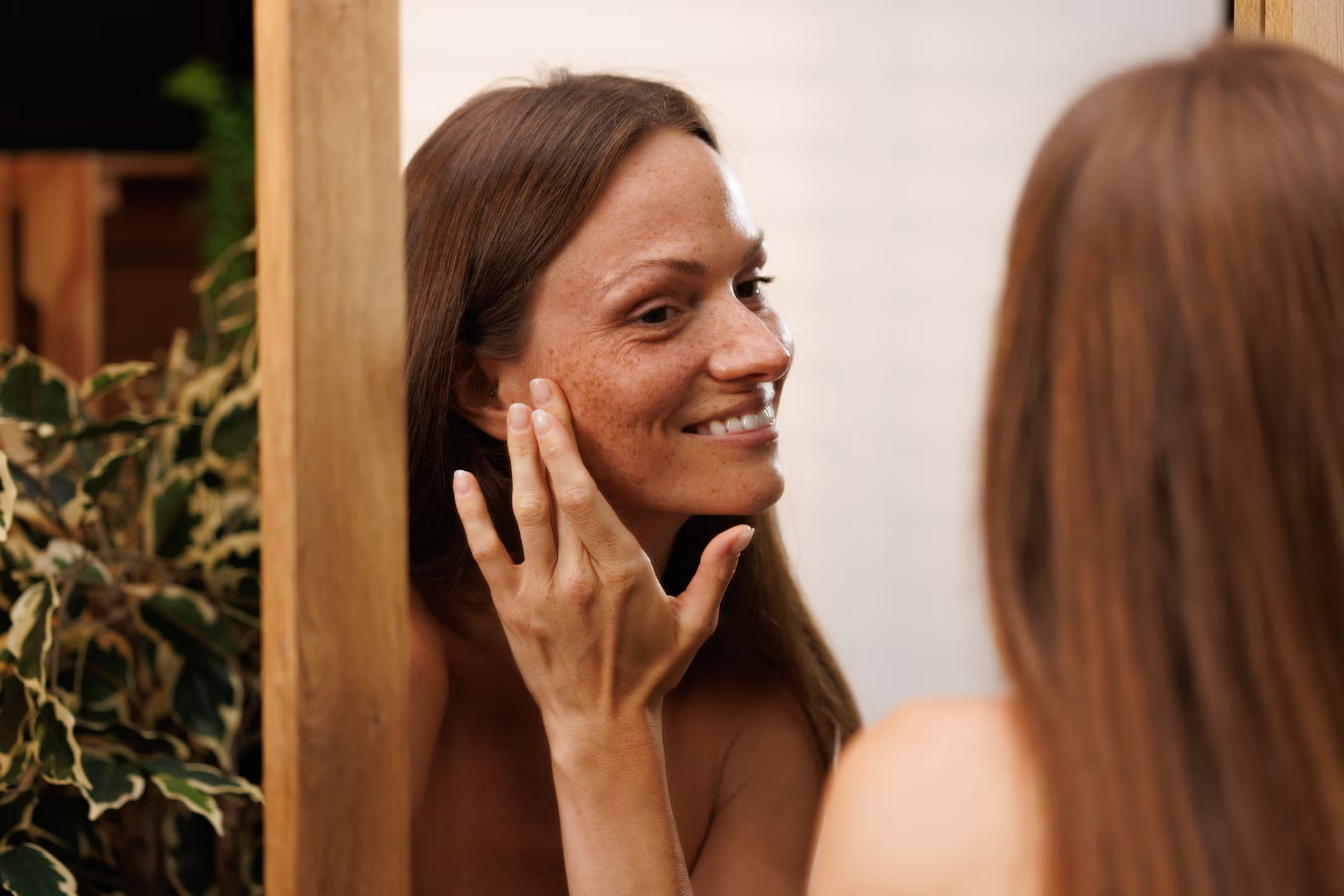
Dark spots form when melanocytes, the skin's pigment-producing cells, increase melanin production in response to sun exposure, inflammation, or hormonal changes. According to Mona Gohara, M.D., a board-certified dermatologist at Yale School of Medicine, "sun exposure is by far the biggest culprit."
Daily broad-spectrum sunscreen with SPF 30 or higher is the most effective prevention method. Dr. Gohara notes that UV radiation penetrates clouds and windows, making daily application essential even on cloudy days. Research shows that up to 80 percent of signs of aging, including dark spots, wrinkles, and sagging skin, come from unprotected sun exposure.
Antioxidants provide additional defense. Dr. Gohara recommends applying a vitamin C serum with L-ascorbic acid underneath sunscreen, as this form has been shown to reduce hyperpigmentation. Formulas pairing L-ascorbic acid with vitamin E and ferulic acid have evidence for reducing UV-induced skin damage. Niacinamide and certain licorice compounds like glabridin can also help by inhibiting tyrosinase, the enzyme involved in melanin production.
Post-inflammatory hyperpigmentation occurs when skin injuries trigger excess melanin production. Dr. Gohara warns that picking at skin, popping pimples, or using harsh treatments can cause these lasting marks, especially in darker skin tones. Being gentle with your skin prevents this type of discoloration.
For existing spots, topical treatments can help fade them. Chemical exfoliators like glycolic and azelaic acid gradually remove pigmented dead skin cells. Prescription tretinoin regulates skin cell turnover to remove pigmented cells. Dr. Gohara identifies tretinoin and hydroquinone as "two of the best-established and proven options," though hydroquinone requires dermatologist guidance since prolonged use can occasionally cause darkening.