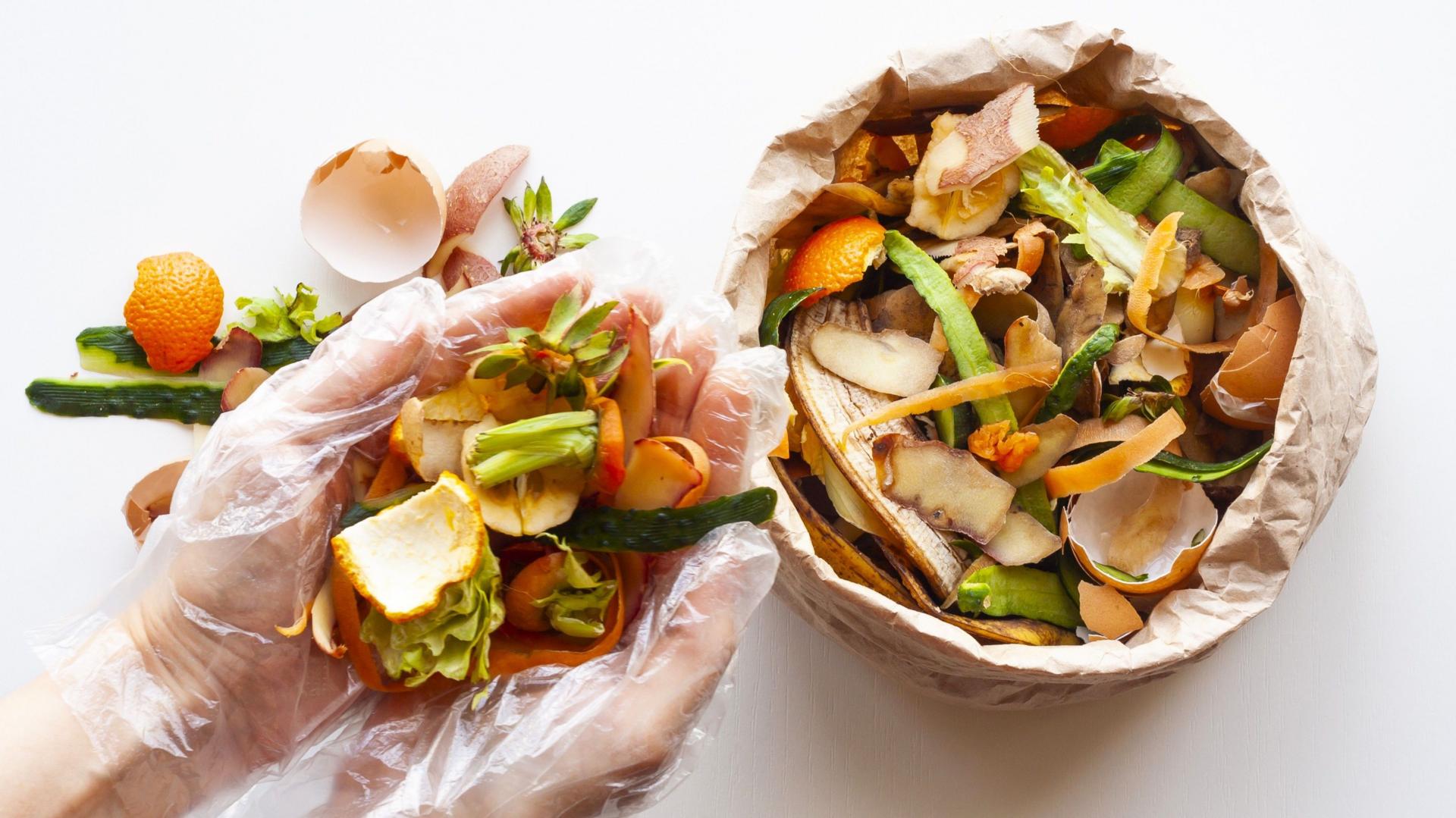
Researchers at King's College London found that fruit and vegetable scraps contain significant amounts of dietary fibre that most people discard. The team analysed 12 raw foods and discovered that many discarded parts held more fibre than the sections typically eaten.
Watermelon rind contained 2.10g of fibre per 100g, roughly equivalent to the fibre in a slice of wholemeal bread. Butternut squash skin and seeds contained 9.25g per 100g, nearly as much as a bowl of bran flakes. Pineapple skin and core contained five times more fibre than the flesh. Eating a kiwi with the skin on provides 50% more fibre than a peeled one.
Only 4% of UK adults meet the recommended 30g of fibre daily. Fibre aids digestion, helps you feel fuller for longer, and is linked to a lower risk of heart disease and bowel cancer.
Project lead Dr Rachel Gibson said the findings showed people are "throwing away a significant amount of fibre." She added, "This isn't just a nutritional loss, it's also a financial one - you're effectively throwing away a substantial portion of what you've paid for."
King's College London tested root-to-tip meals in its canteen over nine weeks, offering dishes like banana skin curry. Those choosing the new dishes were less likely to finish their meals than diners eating conventional options.
Kirsten Jackson, a dietitian with the British Dietetic Association specialising in irritable bowel syndrome, says the approach works if produce is washed thoroughly. She recommends blending pineapple cores into smoothies and suggests chopping and freezing broccoli stalks for later use. She advises increasing fibre gradually to avoid bloating, noting that people with IBS may find it harder to tolerate.
The British Nutrition Foundation warns against green potatoes and rhubarb leaves, which contain toxic compounds. Tough stalks and seeds may not suit young children.