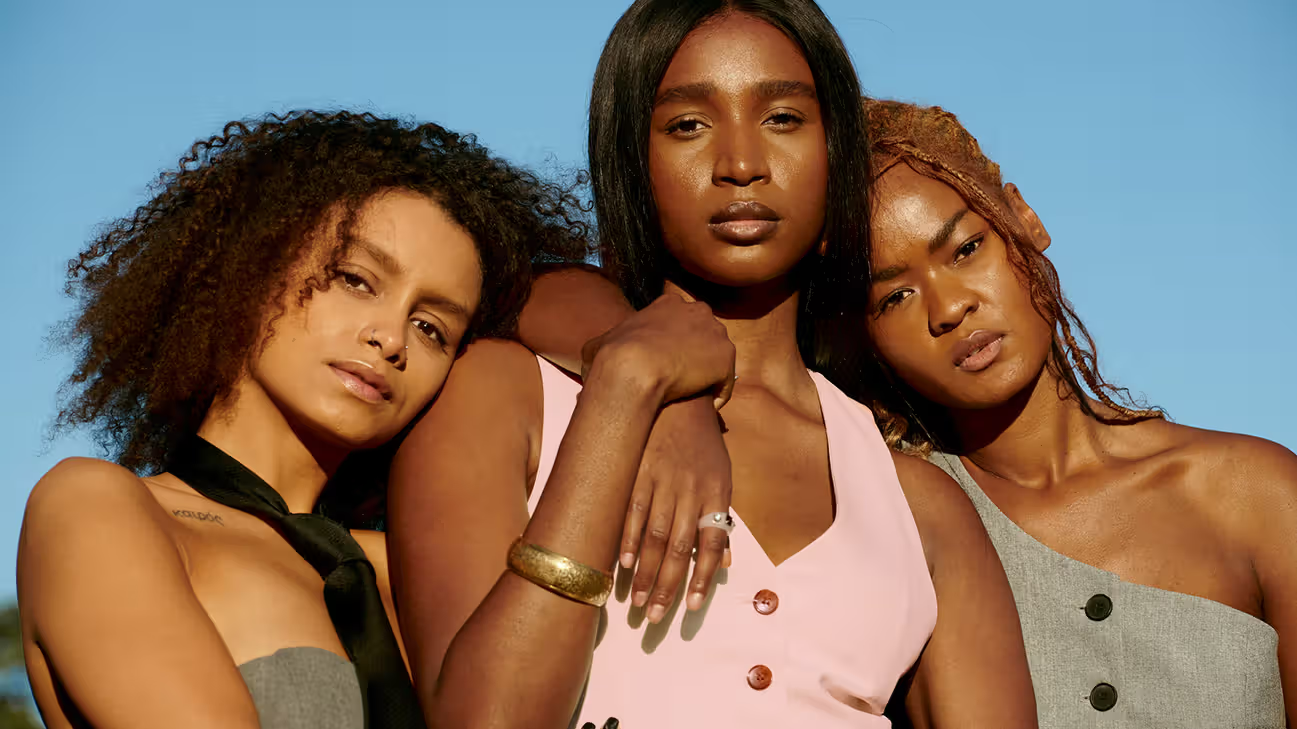
European beauty standards emphasize light skin and eyes, thin bodies and noses, and straight hair. These ideals center whiteness and exclude Black, Indigenous, Arab, and Asian and Pacific Islander people.
Research demonstrates real harm. A 2020 study found that white women or Black women with straightened hair received more job interview callbacks than Black women wearing natural hairstyles like afros, twists, curls, or braids. Early research on skin color and self-perception, including the doll test, showed that two-thirds of Black children aged 3-7 chose white dolls when asked which were nicest or prettiest. When researchers repeated a similar test in 2005, 16 of 21 preschool-aged Black children selected the white doll.
These standards affect self-esteem and create consequences across work, education, romantic relationships, and socializing, sometimes beginning as early as nursery school.
Siena Liggins, an independent artist and songwriter, says change requires people to challenge the standards directly. She points to how representation matters. "It has to be the people who are coming up with the ideas and bringing them into fruition who also have to have diversity, not just a thought but of background, culture, and ethnicity," Liggins says. Without this deeper shift at the gatekeeper level, she warns that diversity becomes a temporary trend rather than lasting change.