About 60% of U.S. adults report greater concern about foodborne illness this year compared to previous years, according to a national survey by Orlando Health. The CDC estimates that 48 million people in the United States experience foodborne illness annually.
However, experts say the recent food recalls show the safety system is working. "Here in the United States, we have the safest food supply in the world. The recent recalls show that our food safety system is working," said William Schaffner, MD, Professor of Infectious Diseases at Vanderbilt University.
Past recalls do not mean entire food categories need to be avoided, according to Michelle Routhenstein, preventive cardiology dietitian at Entirely Nourished. The key is checking whether a specific product matches a current recall based on brand, lot number, package size, and expiration date.
Before shopping or cooking, review FDA and USDA recall information and compare notices with labels on ingredients. Consumers can sign up for food recall alerts through the FDA or visit FoodSafety.gov.
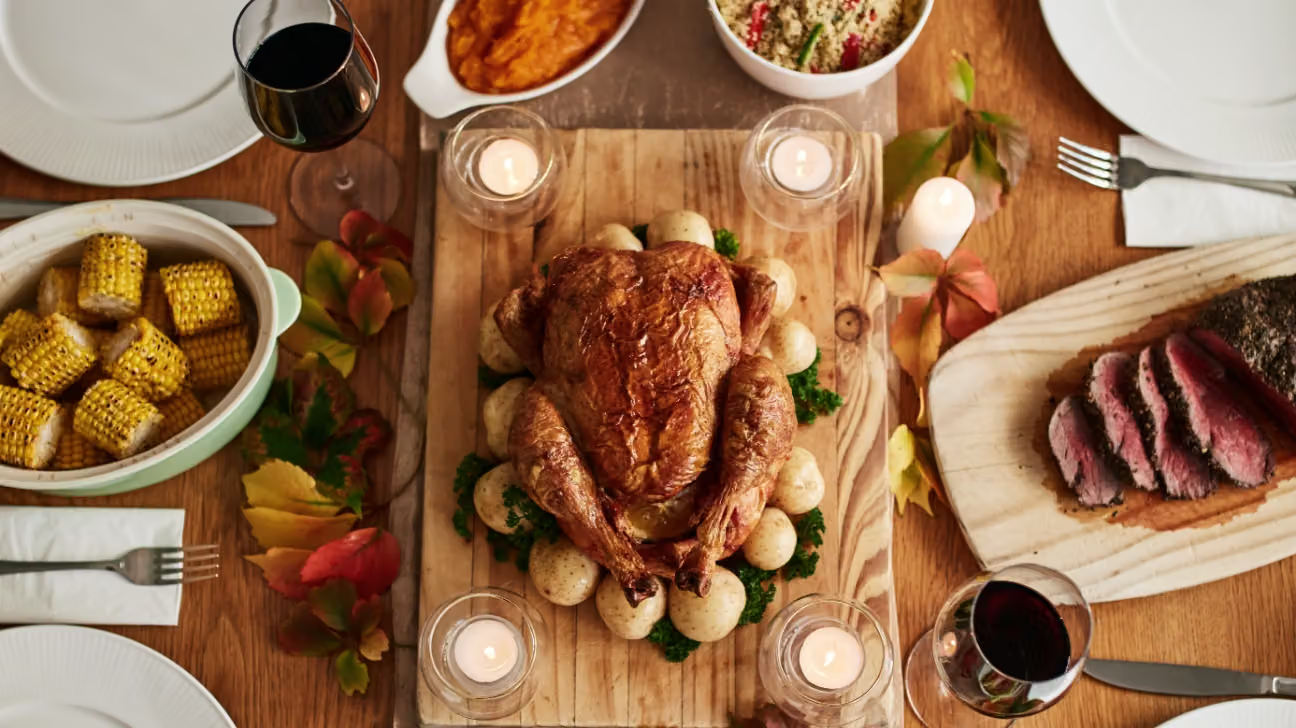
Routhenstein recommends following four food safety basics: clean, separate, cook, and chill. Wash hands with soap and water for at least 20 seconds and rinse produce under running water. Keep raw meat and poultry away from ready-to-eat foods. Use a food thermometer so turkey and stuffing reach 165°F (74°C). Refrigerate perishable foods within 2 hours of serving, or within 1 hour if the temperature exceeds 90°F (32°C).
Leftovers can typically be stored safely in the refrigerator for 3 to 4 days. Schaffner recommends refrigerating leftovers promptly rather than leaving them at room temperature for extended periods.