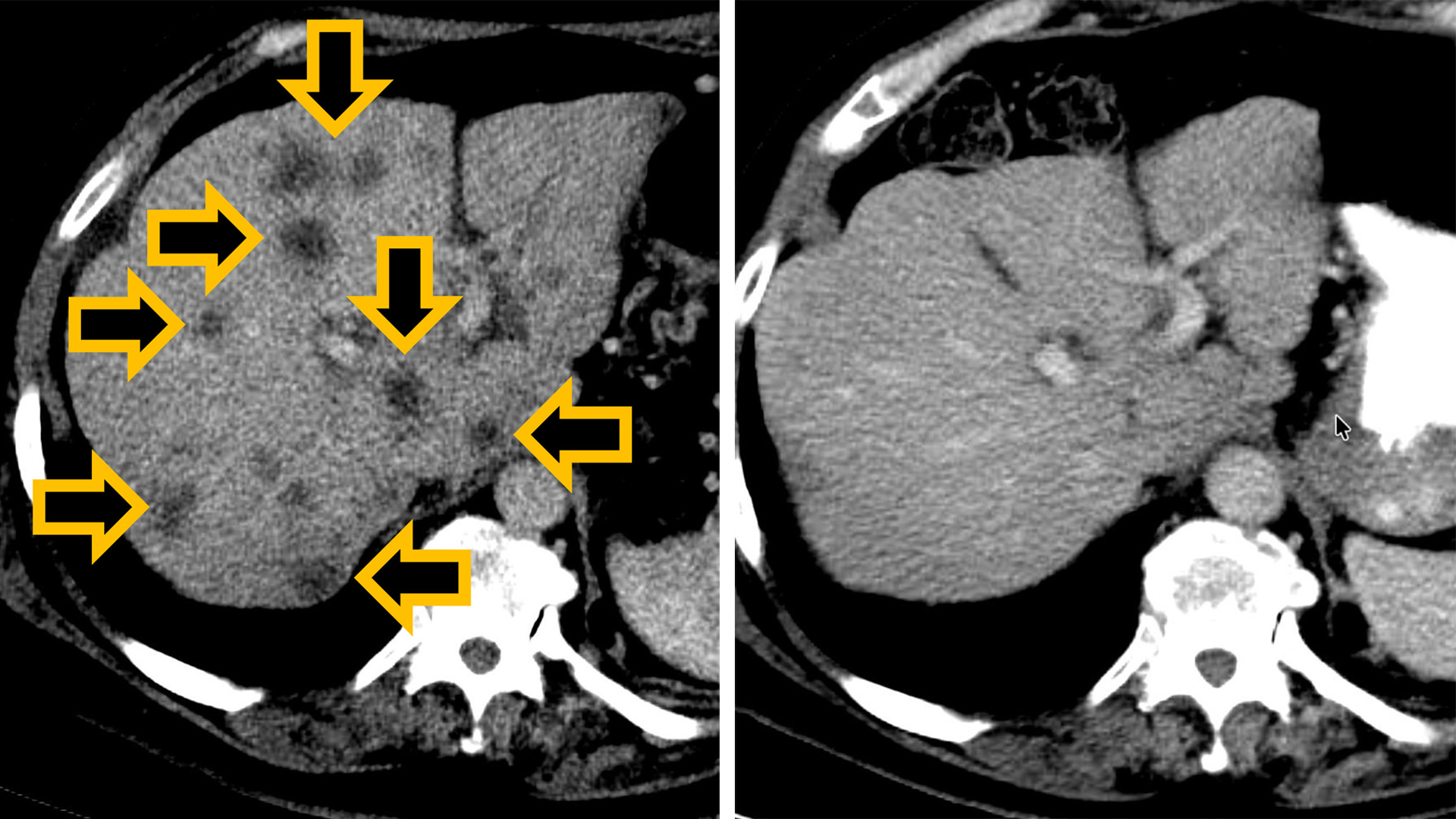
A daily pill called daraxonrasib combined with chemotherapy showed promising results in early trials for advanced pancreatic cancer. Among 61 patients with recently diagnosed advanced pancreatic cancer that had spread, tumours stopped growing in 90 percent. Just over 60 percent saw their tumours shrink or disappear. Cancer became undetectable on scans in around 8 percent of patients, or one in 12.
The trial followed patients for an average of a year and a half. Some patients did not see their cancer return during this time. Doctors stress the results do not represent a cure and longer studies are needed to understand how long the drug keeps the disease at bay.
Daraxonrasib is a targeted inhibitor that works by blocking RAS mutations found in most pancreatic cancers that drive tumour growth. The drug has already been approved in the US.
Dr Wungki Park from Memorial Sloan Kettering Cancer Center said the results were extremely encouraging. "We are beginning to see not only a higher percentage of tumour response rates, but also deeper responses and a near doubling in the duration of disease control, which may eventually translate into longer survival," he said.
Dr Sam Godfrey from Cancer Research UK called the results "the biggest leap forward in decades" for pancreatic cancer patients. He noted that the drug "found a way of drugging the undruggable." He said longer trials and results were vital because cancer can return even when scans show no sign of it.
Prof Elena Garralda, chair of the EORTC-NCI-AACR Symposium 2026 where the work is being presented, said the combined treatment could potentially significantly improve patients' overall survival and the time before tumours start to grow again.
The same RAS mutations found in pancreatic cancer appear in dozens of other cancers, including lung and ovarian cancer, meaning the drug might help other patients too.