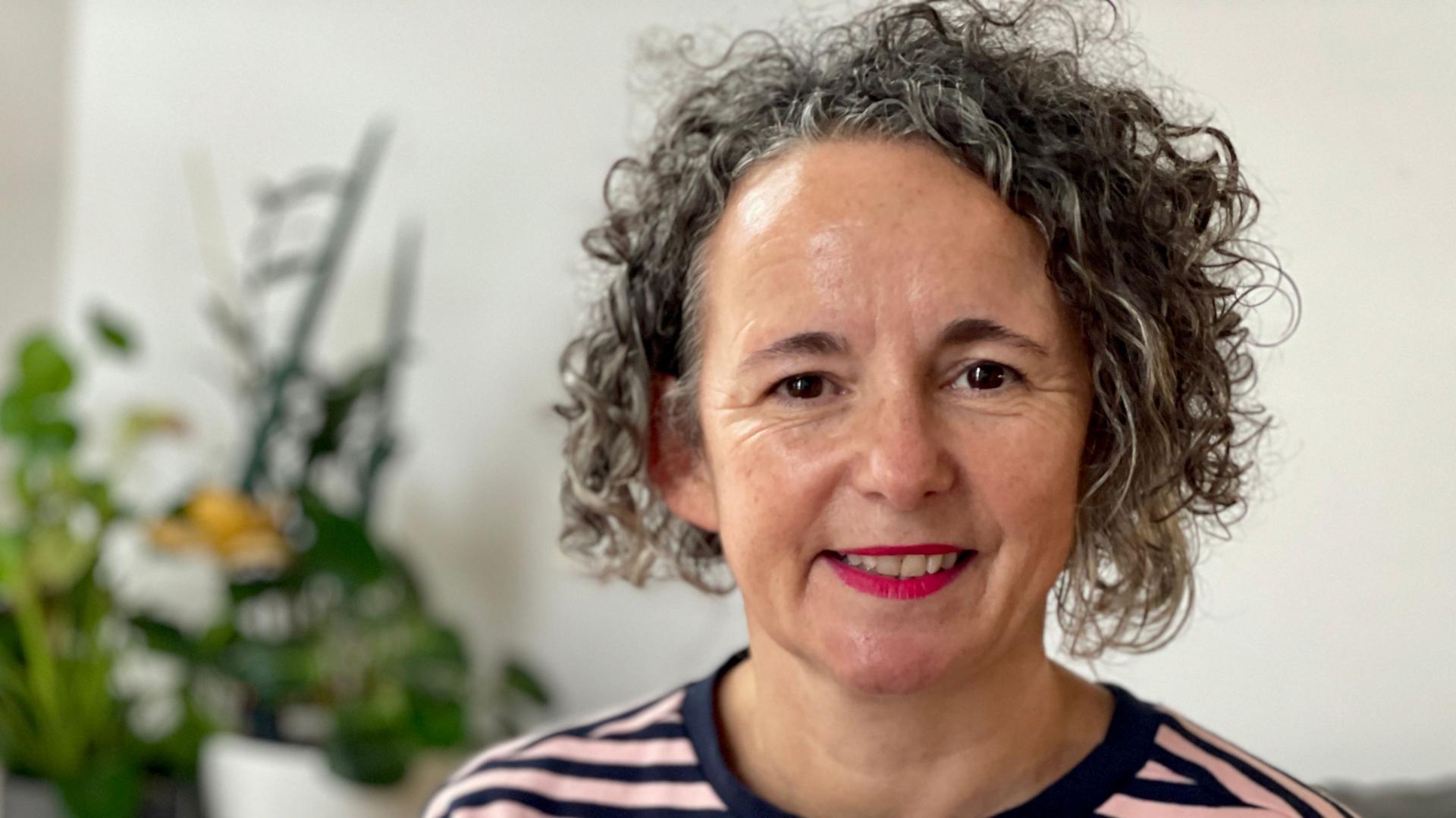
Rachel Bowman was 46 when breast cancer treatment put her into medically induced menopause four years ago. Unlike natural menopause, which develops gradually over years, complex menopause occurs suddenly when cancer treatments trigger hormone changes. Bowman experienced 20 to 30 hot flushes daily starting the day after receiving an ovarian suppressant injection.
"I could barely move. I could barely stand up straight. It was terrible," Bowman said. She described the sudden onset as leaving her body no time to adapt.
Complex menopause causes symptoms including hot flushes, joint pain, sleep problems, fatigue, low mood and changes to sexual health. These symptoms can be more severe and harder to treat than those of natural menopause because they arrive abruptly rather than gradually.
Dr Renske McFarlane, a specialty doctor in breast surgery, leads a new pilot clinic at Royal Sussex County Hospital designed to help breast cancer patients manage complex menopause after treatment. McFarlane said she launched the clinic because patients told her about the lasting impact on their confidence at work, relationships and family life.
"Nationally, we're very good at screening, diagnosing cancers, operating and providing initial treatment," McFarlane explained. "But for many women, living with the effects of treatment can continue for years."
Patients can be referred to the pilot clinic by their surgeon, breast care nurse, oncology team or GP. University Hospitals Sussex has plans to develop the service across Sussex.
Bowman, who now works with the charity Menopause and Cancer, said speaking with a clinician one-on-one about her personal circumstances made a significant difference.