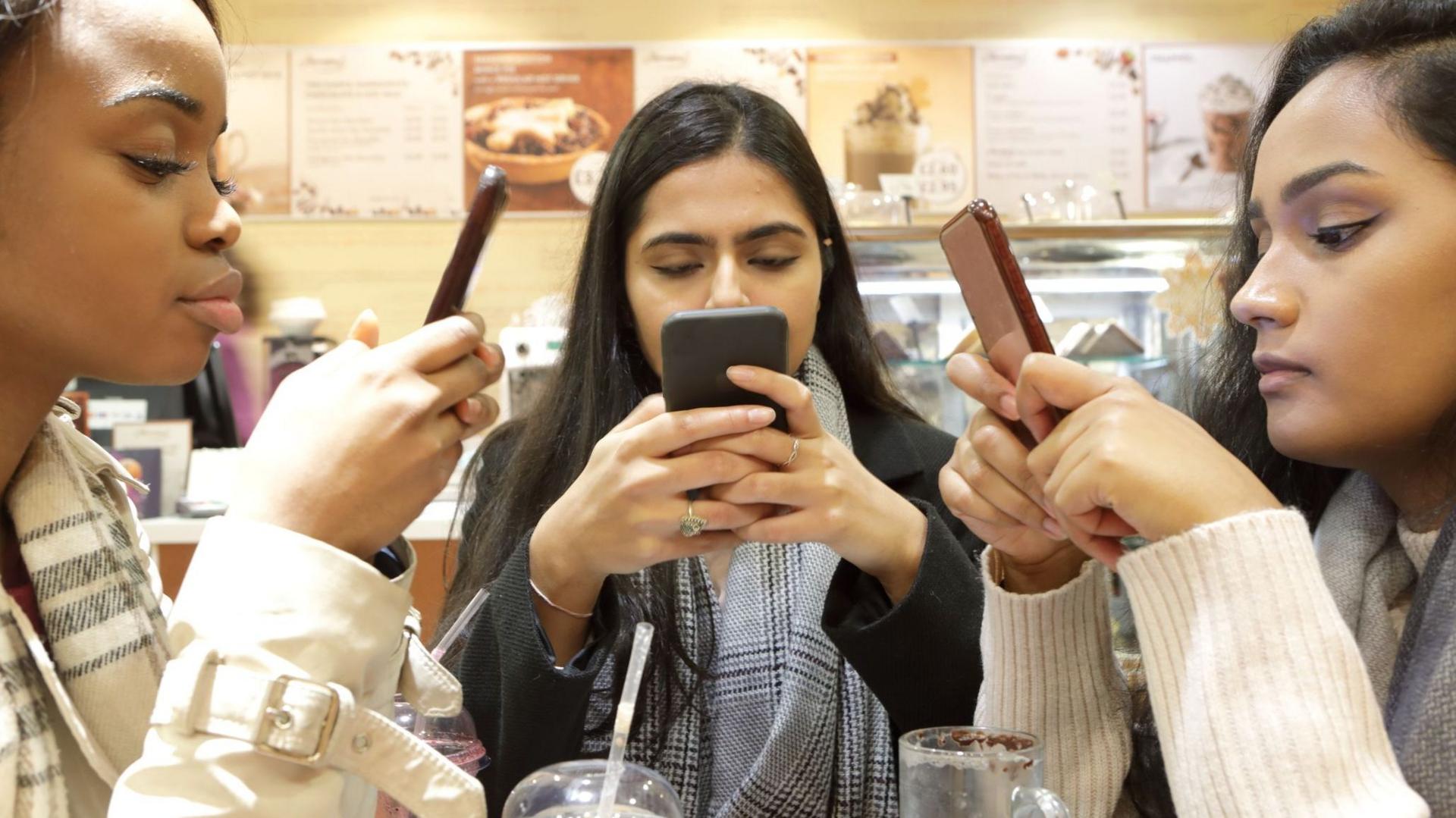
The latest Natsal survey offers a striking portrait of British sexual behaviour: a third of people aged 16 to 24 have never had sex, up from a fifth just 12 years ago. Meanwhile, half are sexting, one in two young women are watching pornography, and nearly nine in ten young men are doing the same. These numbers tell us something important has shifted. Young people are not abandoning sexuality—they are redirecting it, deferring it, or experiencing it in fragmented ways that previous generations simply did not.
There is something to celebrate here. The researchers note that more young people waiting longer to have sex may reflect better understanding of consent and a willingness to make deliberate choices about when and with whom to become sexually active. The previous survey in 2010 found that having sex too soon was young people's biggest regret about losing their virginity. If more are now waiting, perhaps that reflects genuine progress in how we discuss sexual decision-making. Yet we cannot ignore the uncomfortable reality: one in seven women reported ongoing upset about things done to them in their sexual past, and the same proportion of men reported shame about their sexual thoughts and desires.
The researchers understandably cannot fully explain these trends, though Prof Wendy Macdowall wisely resists blaming screens alone. Young people are drinking less, living at home longer, facing mental health challenges, and enduring pandemic disruptions. These factors matter. But what strikes me most is what the Natsal team identified as a gap in their research: they did not ask about AI or virtual relationships with romantic chatbots—territory Soazig Clifton admits "seemed a little bit sci-fi" during their 2022-24 fieldwork, yet may warrant urgent investigation next time.
This omission matters because we are witnessing an experiment in real time. Young people are navigating desire through screens, pixels, and increasingly, algorithms. Half are sexting, consuming pornography at remarkable rates, and potentially developing relationships with AI—yet a third have never had physical intimacy with another person. We do not yet understand the long-term implications of this disconnect, but we cannot afford to wait passively for the next survey in a decade.
Dr Laura Oakley rightly calls for research into what is driving reduced childbearing—economic insecurity, climate anxiety, changing priorities. But we need equally urgent investigation into what is driving this fragmentation of sexuality itself. Young people deserve honest conversation about desire, risk, consent, and the difference between connection and simulation. The data shows they are making different choices than their parents. Our responsibility is to ensure they are making them wisely.