# Stretching as a Tool for Managing Menopause Discomfort
Menopause brings a constellation of unwelcome symptoms. Hot flashes interrupt sleep and work. Mood swings strain relationships. Joint stiffness limits movement. While hormone replacement therapy offers one path forward, stretching provides a low-cost, accessible alternative that addresses multiple symptoms simultaneously.
Research into movement-based interventions for menopause has grown substantially. A 2019 study published in the journal Menopause found that women who engaged in regular stretching and flexibility work reported reductions in both hot flash frequency and severity. The mechanism works through multiple pathways. Stretching activates the parasympathetic nervous system, the body's natural cooling mechanism. This directly counteracts the dysregulation that triggers hot flashes. Beyond temperature control, stretching reduces muscle tension that accumulates during the hormonal fluctuations of menopause.
The mood regulation benefits operate similarly. When estrogen declines during menopause, serotonin production often drops alongside it. Gentle movement stimulates neurotransmitter release without the intensity that high-impact exercise sometimes requires. This matters for women experiencing menopause-related depression and anxiety, who may find vigorous workouts overwhelming.
Targeted stretching addresses specific problem areas. Hip and hamstring tightness accelerates during menopause due to hormonal effects on connective tissue. Women often develop forward shoulder posture from compensating for breast tenderness. Chest and shoulder stretches counteract this pattern while simultaneously improving breathing, which helps regulate the rapid heartbeat that accompanies hot flashes.
The seven-stretch protocol typically targets key zones. Cat-cow stretches mobilize the spine and engage the parasympathetic system. Forward folds release hamstring and calf tension while inverting the body slightly, which cools the head. Hip openers like pigeon pose address pelvic floor tension that contributes to mood symptoms. Shoulder rolls and chest stretches release upper body holding patterns. Child's pose combines forward folding with grounding that many practitioners report calms anxiety.
Consistency matters more than duration. A 2023 analysis in the Journal of Women's Health found that women practicing 10 to 15 minutes of daily stretching showed better symptom management than those doing longer sessions three times weekly. This accessibility removes a major barrier to adoption. Busy women juggling work and family can fit stretching into morning routines or break times.
Temperature regulation improves fastest, typically within two to three weeks of regular practice. Mood and joint mobility changes emerge over four to six weeks. This timeline beats pharmaceutical interventions for many women, particularly those avoiding hormones due to health contraindications or personal preference.
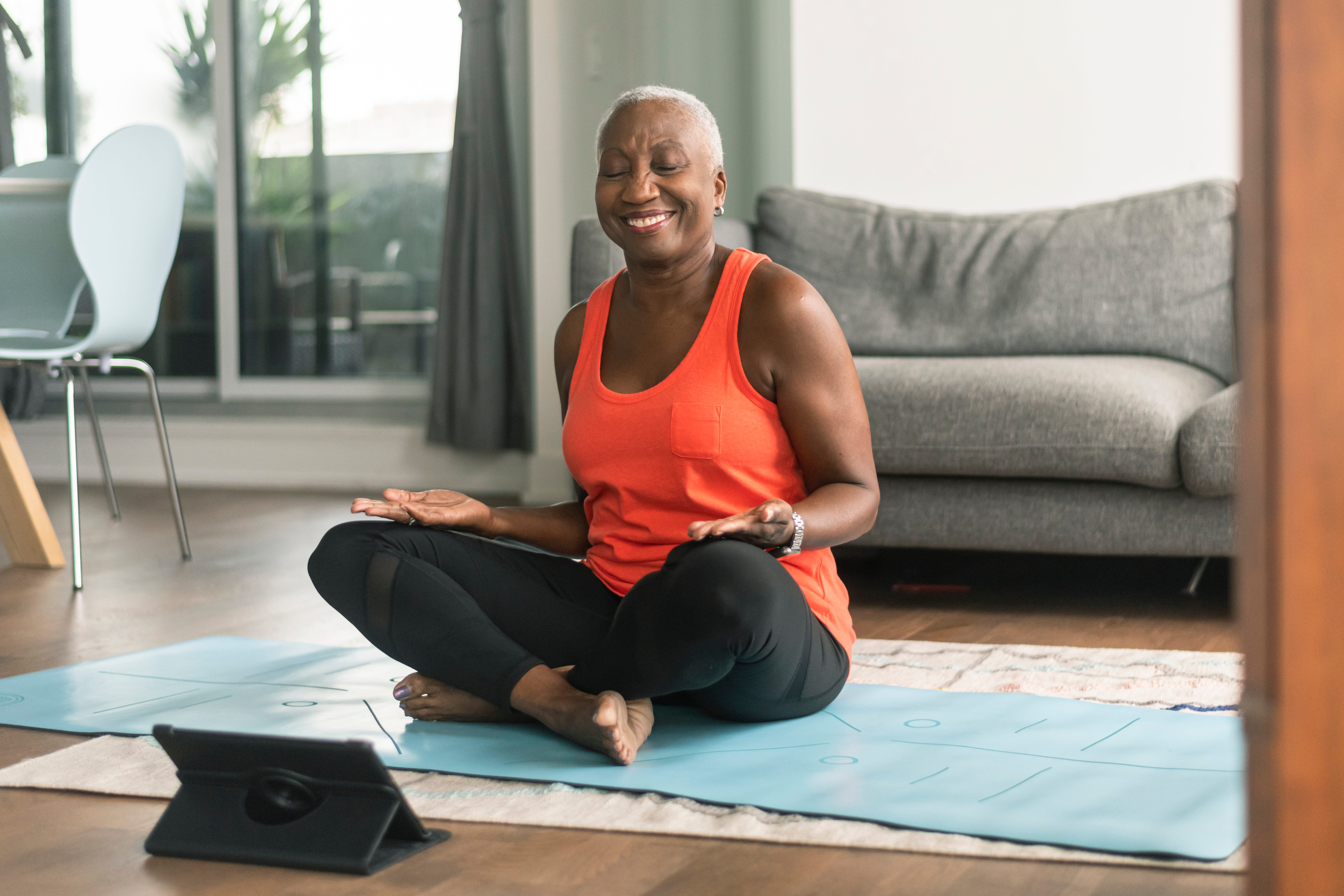
Stretching pairs well with other interventions. Women combining stretching with adequate hydration, consistent sleep schedules, and breathing exercises report the best outcomes. The stretches work whether performed in a studio or at home with only a yoga mat.
Menopause demands a multi-tool approach. No single intervention addresses every symptom for every woman. For those seeking non-pharmaceutical relief, stretching offers evidence-based results without side effects, cost barriers, or time commitment. Starting today requires nothing except willingness to spend ten minutes experiencing what focused movement can do.