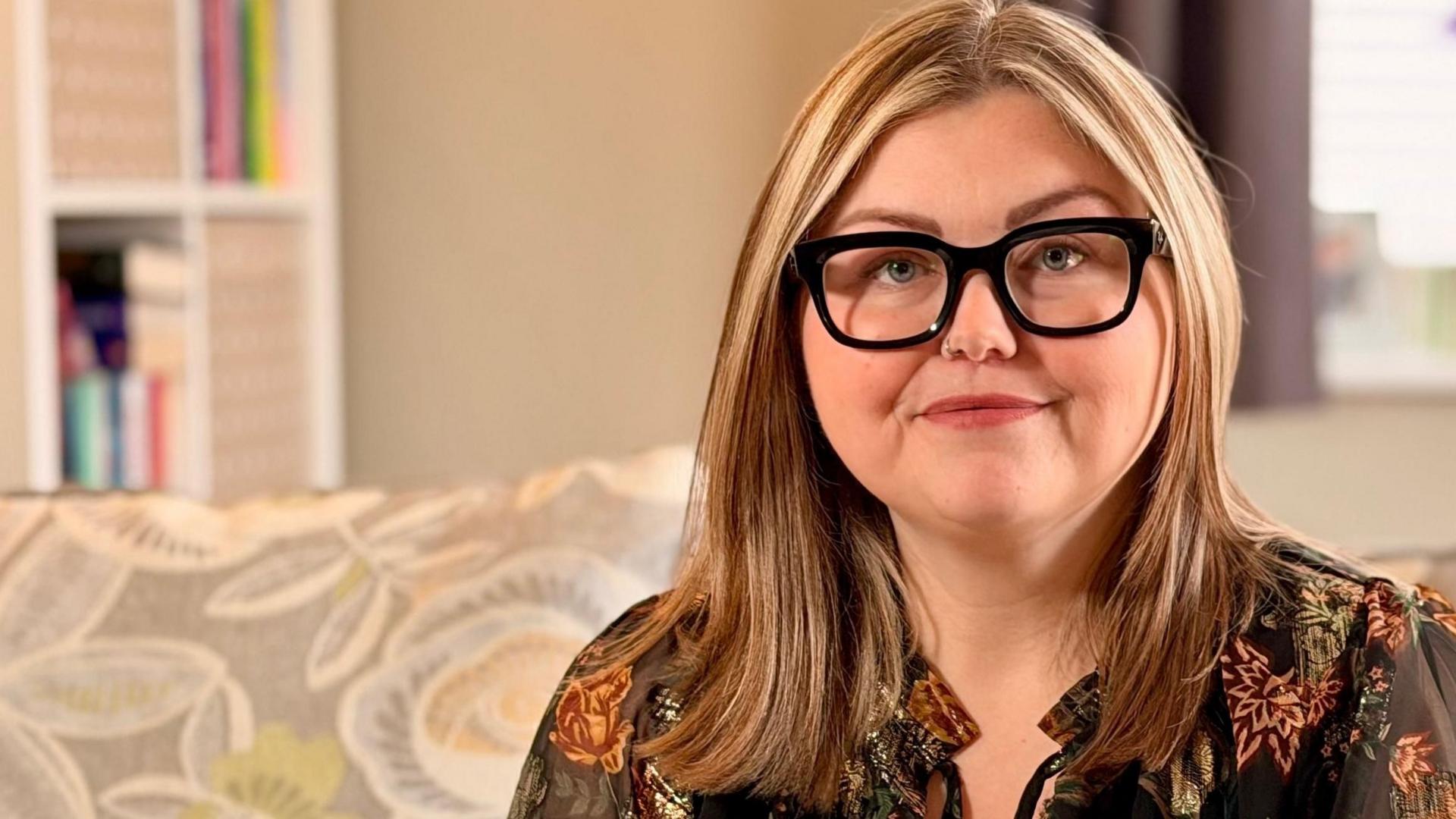
Hayley Locksley lost her job as a special needs teaching assistant in a primary school last October after being told she was unfit to work. Her endometriosis, a condition where tissue similar to the womb lining grows outside the uterus, had worsened to the point where she now uses a walking stick and experiences severe back and leg pain.
Endometriosis affects one in 10 women. Hayley was diagnosed at age 24, though she had experienced excruciating pain since starting her period at age 11. Doctors initially suggested paracetamol. She even had her appendix removed when doctors misidentified the source of her pain.
An inquiry by the All-Party Parliamentary Group on Endometriosis found that nearly half of women with the condition have lost income because of it. The report surveyed more than 6,000 women and found that 97% had worked while in severe pain, 47% had lost income due to their symptoms, and 28% had left a job altogether.
Carla Cressy, 35, worked as a model until age 17 but kept collapsing during shoots. She was diagnosed with endometriosis 10 years ago. Because it went untreated for so long, it progressed to frozen pelvis disease and destroyed her reproductive organs, requiring bladder reconstruction and a hysterectomy. She now runs The Endometriosis Foundation and received an OBE this year.
Faye Ramsey, 32, spent 10 years in pain before being diagnosed last year. She struggled to return to work as a teaching assistant after having a hysterectomy in June. Through her support organization Girls Anatomy, she has met women who lost jobs or reduced hours, or came to work physically sick because they feared job loss.
The inquiry found that 94% of 6,000 women interviewed said employers lacked good understanding of endometriosis, and half received no workplace adjustments. Among 250 employers surveyed, 72% said their organization gives no training or guidance on women's health.
Endometriosis surgeon Dr Rebecca Mallick said the findings are shocking. "Women should not have to choose between their health and their careers. We have raised awareness for years. Now we need meaningful action," she said.
Matthew Percival, director of future of work and skills at the Confederation of British Industry, said businesses are increasingly aware of women's health issues and exploring how to support women without holding back their careers.