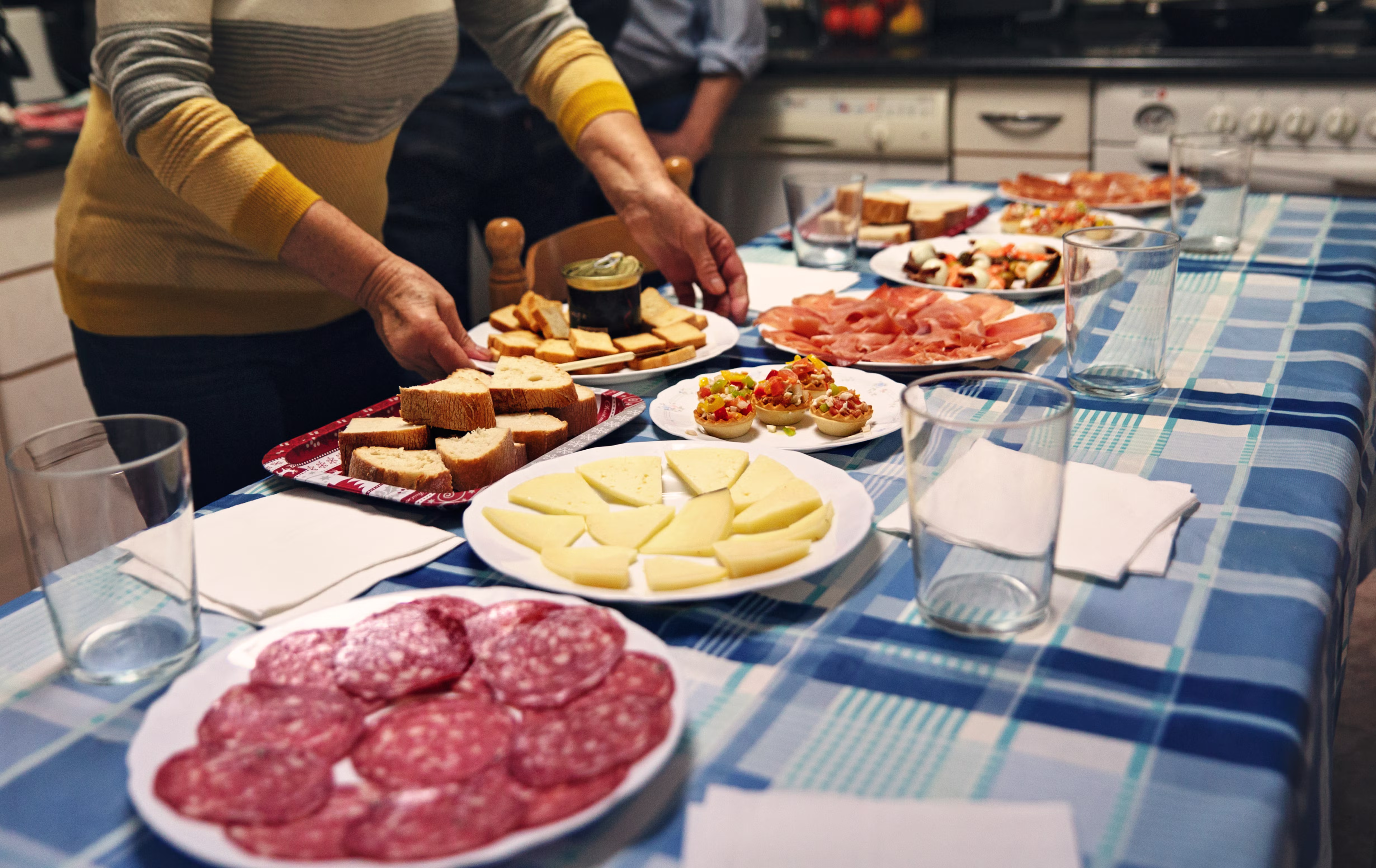
Every holiday season, well-meaning hosts commit the same food safety sin: leaving dishes out on the counter for hours while guests graze. According to Bill Sullivan, Ph.D., professor of microbiology and immunology at Indiana University School of Medicine, this is the number-one mistake he wishes people would stop making. And frankly, it's hard to argue with an expert who understands exactly what happens when food lingers in your increasingly warm kitchen.
Here's the science that should terrify you into action: food exists in a temperature danger zone between 40°F and 140°F where harmful bacteria multiply rapidly. Leave food at room temperature for more than two hours, and you've essentially created a petri dish on your dining table. The consequences aren't just unpleasant—they're serious. The Centers for Disease Control and Prevention warns that foodborne illness can cause stomach cramps, nausea, vomiting, fever, and diarrhea. For guests over 65, children younger than 5, people with weakened immune systems, or pregnant individuals, the risks become genuinely dangerous.
The temptation to leave everything out is understandable. Fridge and oven space are premium real estate during the holidays, and grazing feels like a central part of the gathering. But Dr. Sullivan's guidance is clear: shelf-stable, low-moisture items like nuts, crackers, and cookies can stay out. Everything else—crudités, dips, pickled olives, and especially perishable dishes—must return to the fridge after two hours. And don't think you're being clever by storing food on a windowsill or deck. Sunlight, temperature fluctuations, and visiting animals introduce their own risks.
Perhaps most importantly, don't assume reheating solves the problem. As Dr. Sullivan explains, some bacterial toxins aren't destroyed by heat, so warming up that turkey or pie won't necessarily make it safe again. Even foods that seem like safe bets—certain pies containing eggs, dairy, or vegetables like pumpkin, sweet potato, custard, cream, and pecan pies—need refrigeration until serving time.
The good news? Making your holiday dinner safe doesn't require overhauling your plans. Dr. Sullivan recommends recruiting friends and family to bring dishes, which solves multiple problems at once: it limits the amount of food you're managing, spreads the responsibility, and makes guests feel included. Everyone leaves feeling the evening was memorable for how tasty it was—not because half your guests spent the next day sick. That's a holiday tradition worth keeping.